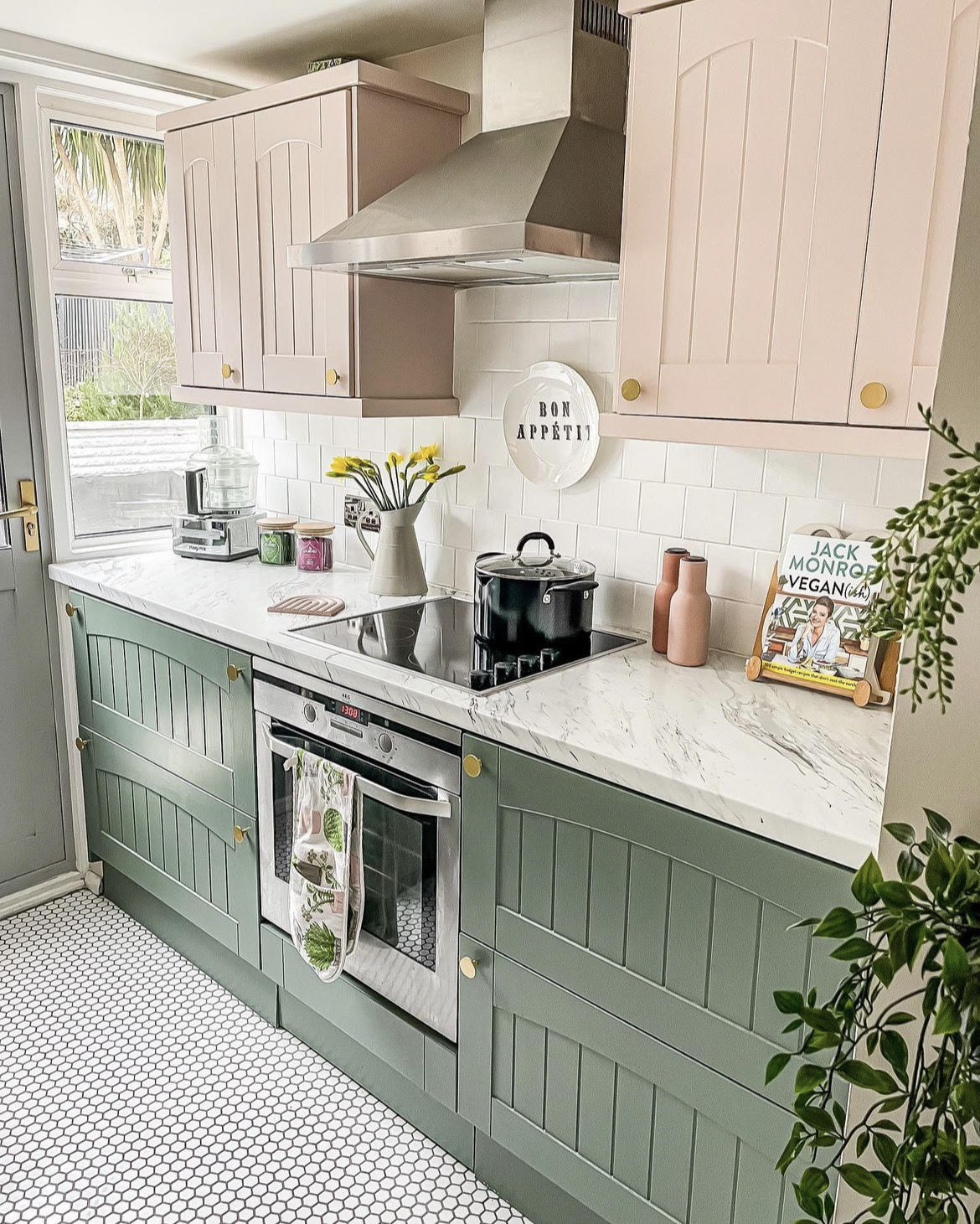
A kitchen renovation is a great opportunity to improve not only the appearance of the room but also the way it works every day. New cabinets, appliances, countertops, and flooring may get most of the attention, but smaller functional improvements can have an equally important impact on comfort, maintenance, and long-term usability.
Improve Your Kitchen Water System
If you are already modifying plumbing during the renovation, consider whether your kitchen’s water filtration setup could be improved at the same time. Installing an inline sediment filter can help capture particles such as sand, rust, dirt, and other sediment before they reach faucets or connected filtration equipment. Planning this upgrade while plumbing is accessible can also make installation easier than adding it after cabinets and fixtures are finished.
It is also worth thinking about where shutoff valves, filtration components, and plumbing connections will be located. Keeping them accessible allows homeowners to perform routine maintenance without removing cabinetry or working in tight spaces.
Make Storage More Functional
Kitchen storage should be designed around how the space is actually used rather than simply maximizing the number of cabinets.
Deep drawers can make pots, pans, and small appliances easier to reach than traditional lower cabinets. Pull-out shelves, corner organizers, vertical tray storage, and built-in recycling compartments can also reduce clutter while making commonly used items more accessible.
Consider creating dedicated storage zones as well. Keeping cooking utensils near the range, dishes near the dishwasher, and food containers close to the refrigerator can reduce unnecessary movement during everyday tasks. For homeowners replacing the whole scheme, well-planned modern kitchens can coordinate those storage zones with cabinet layouts, work surfaces and finishes before fitting begins.
Upgrade Lighting and Electrical Access
Lighting can dramatically affect both the appearance and functionality of a renovated kitchen. Instead of relying entirely on one ceiling fixture, use several layers of lighting.
General overhead lighting can illuminate the room, while under-cabinet fixtures provide focused light for food preparation areas. Pendant lights over an island or peninsula can add both task lighting and visual interest.
Electrical access deserves similar attention. Modern kitchens often need outlets for coffee makers, blenders, air fryers, charging devices, and other appliances. Adding strategically located outlets during renovation can prevent extension cords and crowded power strips later.
Improve Ventilation and Airflow
Cooking produces heat, moisture, grease, and odors, making effective ventilation an important part of kitchen design.
A properly sized range hood can help remove cooking fumes before they spread throughout the home. When possible, choose a system that vents outdoors rather than simply recirculating air through a filter.
The location and capacity of the hood should match the size and type of cooking surface. Planning ductwork before walls and ceilings are finished can make the system easier to install and more efficient.
Choose Durable, Easy-to-Maintain Materials
A kitchen needs materials that can handle spills, heat, moisture, and frequent cleaning.
Countertops should balance appearance with durability and maintenance requirements. Flooring should be comfortable enough for long periods of standing while remaining resistant to stains and moisture.
Backsplashes are another practical consideration. Smooth, easy-to-clean surfaces around sinks and cooking areas can reduce maintenance and protect walls from water and grease.
Cabinet hardware, faucets, and finishes should also be selected with everyday cleaning in mind.
Plan for Long-Term Convenience
Some of the best kitchen renovation decisions are improvements that are barely noticeable once the project is finished.
Accessible plumbing, better filtration, additional outlets, organized storage, effective ventilation, and well-positioned lighting can all make the kitchen easier to use for years.
Before finalizing your renovation plans, think beyond how the finished kitchen will look. Consider how you cook, clean, store groceries, maintain appliances, and use the space every day. Practical upgrades made during the renovation are usually easier and less expensive than trying to add them after the project is complete.

