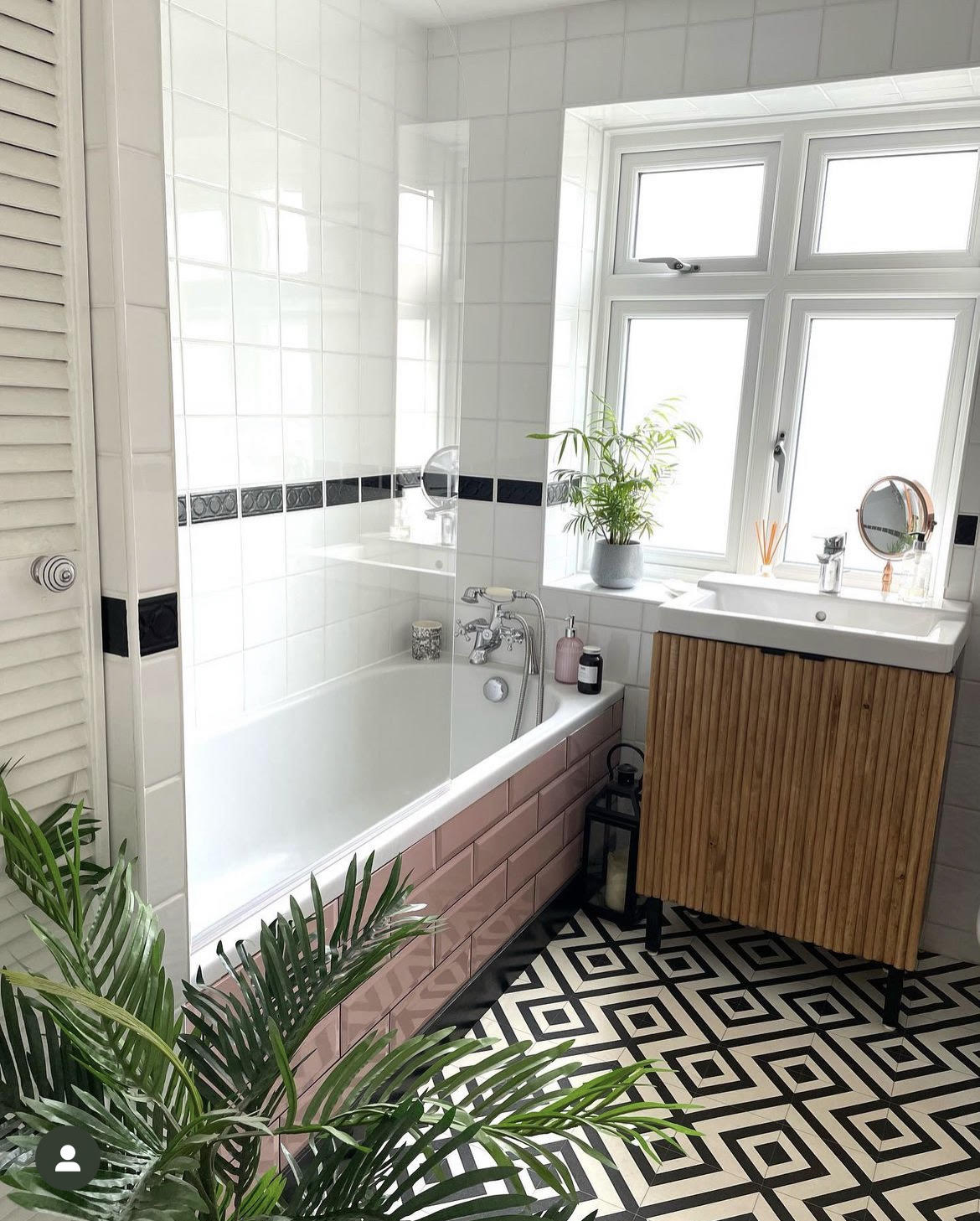
Basin units play a functional and aesthetic role in bathrooms, but choosing the right one requires attention to more than just style. Quality certification for basin units ensures your selected product meets recognised standards for safety, performance, and durability. Understanding these certifications can help homeowners avoid future problems and make better-informed choices for their home.
When choosing plumbing products for your bathroom, especially Basin Units, it’s important to consider not only design and budget, but also how well the product complies with safety and quality standards. Certified basin units have been independently tested for factors such as material safety, structural integrity, and water compatibility. This additional layer of assurance supports your confidence in lasting performance and a healthier bathroom environment.
The role and process of quality certification
Certification for basin units and other plumbing products involves thorough evaluation by accredited third-party organisations. These bodies test for key elements like safe materials, resistance to corrosion, and proper water fittings compatibility. Compliance ensures that basin units are suitable for daily household use and can reliably withstand exposure to water and cleaning agents.
Certification is not a one-time event. Accredited organisations may inspect manufacturing processes, check for consistent quality, and require retesting to verify ongoing compliance. Markings or labels on certified basin units signal this oversight, offering visible confirmation for consumers seeking safe, dependable products for their bathrooms.
Understanding safety, performance, and risk prevention
Certification is implemented to reduce health risks and structural failures in plumbing fixtures, including basin units. Scrutiny of materials ensures that surfaces in frequent contact with water are safe and do not leach harmful substances. Standards also require that fittings can handle expected water pressure and temperature changes, helping to guard against leaks or premature deterioration.
Basin units without certification might use inferior materials, lack adequate protection from moisture, or employ fittings incompatible with standard plumbing systems. Certified alternatives undergo performance checks specific to their usage, offering homeowners better risk prevention in everyday bathroom use.
Recognising the main certification categories and schemes
Throughout the UK and Europe, several recognised certification schemes guide consumers in identifying safe basin units for bathrooms. Examples include schemes that confirm water safety, hygiene, and resistance to chemicals or wear. Each framework is established to ensure basin units function as intended and meet applicable building regulations or codes.
Checking packaging or accompanying documents can reveal important details about certification. Look for marks, labels, or serial codes that confirm products like basin units have passed industry testing. This becomes a useful reference when comparing taps, fittings, or various finishes to confirm the presence of independently verified standards.
How to verify certification on real products and documentation
Verifying certification on basin units is a key step before making a purchase. Packaging, specification sheets, or digital product listings typically display certification labels, standards references, and the name of the certifying agency. These details help confirm the product’s suitability and compliance with safety expectations.
Be alert to non-certificate claims or unclear standards references. Genuine certification should include clear information about the certifying authority, the test standards applied, and renewal periods when applicable. Reliable manufacturers provide this documentation to reinforce a product’s suitability for home and garden use, supporting safer consumer choices.
Comparing certified and non-certified plumbing products
Certified basin units are more likely to offer consistent quality and safer performance because they are designed and tested to specific standards. This reduces the risk of failures, such as leaks, premature damage, or compatibility issues with taps and drainage systems.
In contrast, non-certified basin units may lack verified durability, structural strength, or safe material composition. These shortcomings can result in more frequent maintenance needs or unexpected repairs. Choosing certified options supports peace of mind and protects your investment in your bathroom’s fixtures.
The impact of certification on compliance and sustainability
Certified basin units help ensure compliance with UK and European regulations for plumbing installations, including water efficiency and consumer safety requirements. Following certified models assists in aligning household fixtures with standards now often required by insurers or property managers.
Although the main aim of certification is product safety and reliability, some schemes also address eco-friendly materials or responsible manufacturing practices. By opting for certified basin units, consumers may indirectly support sustainable sourcing and industry transparency in addition to meeting official guidelines.
Certifications as a tool for informed decision making
In conclusion, reviewing certification details provides valuable information for anyone choosing basin units as part of a bathroom renovation or upgrade. Verified marks and labels improve transparency and streamline the decision-making process, reinforcing confidence in both the product and supplier.
As standards and available features in bathroom products advance, paying attention to certification remains a practical way for homeowners to safeguard quality, functionality, and long-term value in their home’s plumbing fixtures.

