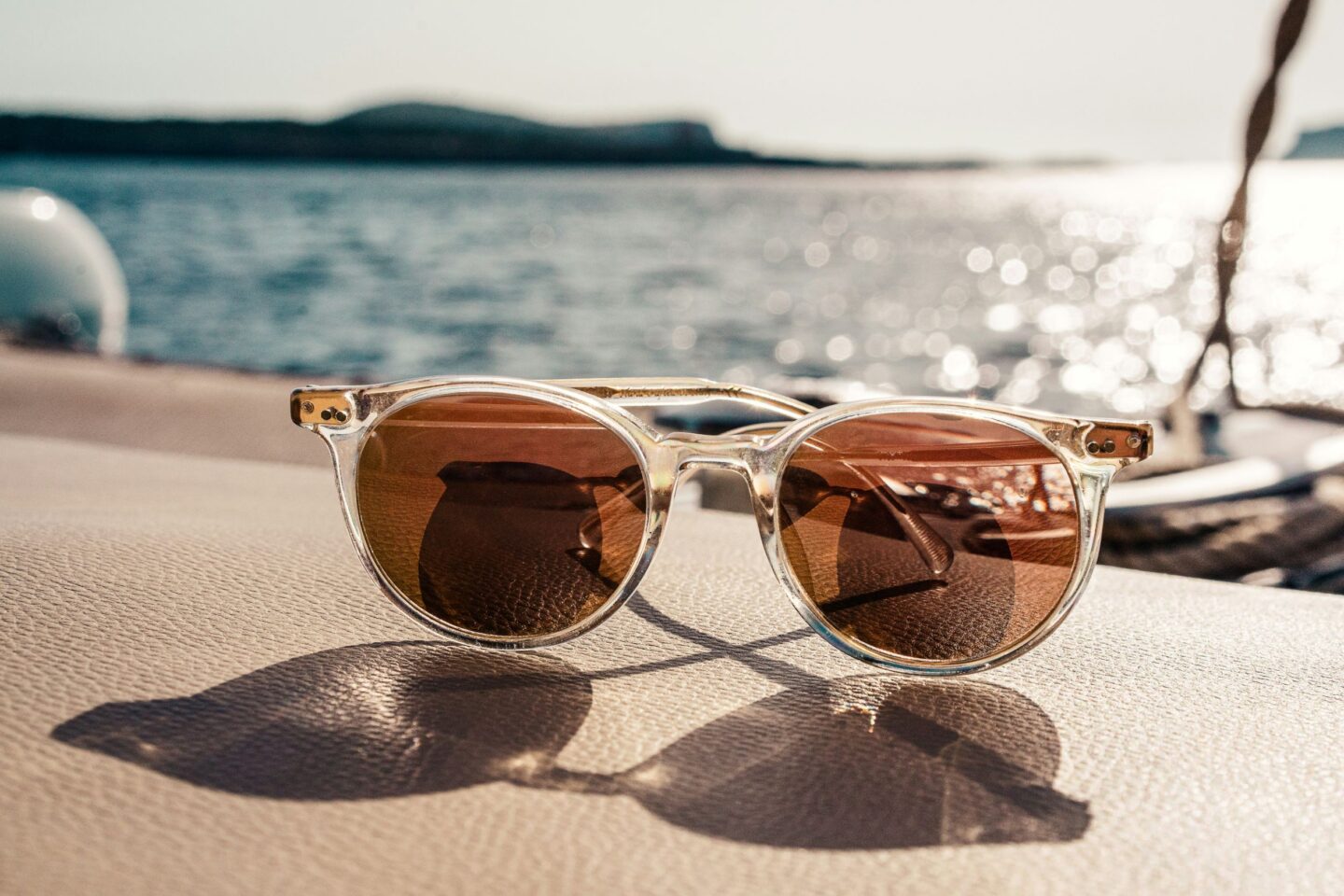
Most people pick sunglasses for style first and function second, but the real value of a good pair lies in what it does for your eyes: cutting glare, limiting UV exposure, and making everyday activities like driving, walking, or spending time outside more comfortable. Instead of judging a pair by how dark the lenses look, what they cost, or whose name is on the frame, it helps to focus on a handful of measurable features—UV protection, lens quality, fit, and intended use. Shoppers comparing different eyewear options, including those who shop oakley sunglasses, can apply this same objective checklist to judge lens performance and fit, no matter the brand. What follows is a practical, needs-based framework for making that decision with confidence.
Why Sunglasses Matter for Eye Health
Ultraviolet (UV) radiation isn’t something you can see, but that doesn’t mean it isn’t affecting you—prolonged exposure can take a toll on both eyes and skin. Both UVA and UVB rays matter, which is why eye-care organizations recommend sunglasses that block 99–100% of UV radiation, often labeled as protection up to 400 nanometers. Even bright sunlight on a cold winter day or a hazy, overcast afternoon can carry significant UV exposure, so sunglasses stay relevant well beyond obvious hot, sunny conditions. A wide-brimmed hat helps cut down on overhead glare, but it’s no substitute for UV-blocking lenses when it comes to direct and peripheral exposure. Worth keeping in mind: sunglasses are a protective tool, not a guaranteed shield against every eye condition. The established guidance centers on reducing UV exposure, not making broader medical claims.
Start With the Label: Understanding UV Protection
What to look for
When you’re evaluating a pair of sunglasses, look for clear labeling such as “100% UVA/UVB protection,” “99–100% UV protection,” or “UV400.” These terms signal that the lenses were designed to block the UV spectrum, regardless of how dark or light the tint appears. A dark lens without this labeling doesn’t confirm UV protection—darkness affects visible light only, not necessarily UV filtering. Mirror coatings and gradient tints might look protective, but they’re not substitutes for verified UV performance. If labeling is unclear or missing altogether, it’s reasonable to check with an optometrist or ophthalmologist.
What not to assume
A higher price tag or a recognizable logo doesn’t automatically translate to better UV protection. The only reliable way to confirm it is through product specifications or trustworthy seller information. Separating marketing appeal from verified performance is a simple habit, but one that’s easy to overlook.
Choose Lens Features Based on the Activity
Polarized lenses
Polarized lenses cut down on reflected glare from surfaces like roads, water, snow, and glass, which can make activities such as driving, boating, fishing, or hiking noticeably more comfortable on the eyes. That said, polarization addresses glare, not UV exposure—these are two independent features, and having one doesn’t guarantee the other. Polarized lenses can also interact poorly with certain digital displays or specific aviation instrument panels, so they aren’t the right fit for every setting.
Lens color and tint
Tint mostly affects brightness and color perception rather than UV filtering. Gray lenses tend to be a solid general-purpose choice since they preserve fairly natural color recognition. Brown or amber tints can boost contrast in certain conditions, though they shift color perception in their own way. There’s no single tint that works best for everyone; the right choice comes down to the activity and personal visual comfort.
Lens materials and impact resistance
For sports, active work, or any situation where impact resistance matters, polycarbonate and Trivex lens materials are commonly used because of their durability. Optical clarity, scratch resistance, weight, and impact resistance are all separate qualities, so it’s worth checking manufacturer specifications rather than assuming all plastic lenses perform the same way.
Fit and Coverage Are Part of Protection
A proper fit limits how much light sneaks in around the frame’s edges, which contributes meaningfully to overall protection. Frames should sit securely without pinching the nose, temples, or ears. Wraparound or larger frames can help with strong side exposure, though comfort should never be sacrificed in the name of coverage. A cyclist or beachgoer, for instance, may benefit from broader side coverage, while a daily commuter might prioritize a stable fit with glare reduction, and a recreational athlete may need impact-resistant lenses built for movement and occasional contact.
Prescription, Nonprescription, and Specialty Needs
People who wear prescription lenses can opt for prescription sunglasses or compatible clip-on options. Anyone with existing eye conditions, heightened light sensitivity, or a recent eye procedure should seek personalized advice from an eye-care professional rather than leaning on general guidance alone. It’s also worth distinguishing ordinary sunglasses from certified protective eyewear designed for occupational hazards—sunglasses aren’t a substitute for safety glasses in settings that call for impact or chemical protection.
A Practical Sunglasses Evaluation Checklist
Key Takeaway:
– Verified UV protection: Look for 99–100% UVA/UVB or UV400 labeling.
– Appropriate glare control: Consider polarization for driving, water, or snow.
– Clear, distortion-free lenses: No warping, bubbles, or uneven tint.
– Secure, comfortable fit: Frames should stay stable during normal movement.
– Suitable construction: Impact resistance matters for active or hazardous settings.
– Appropriate coverage: Larger or wraparound designs help with side exposure.
– Reliable product information: Specifications should be clear and verifiable.
No single factor determines quality—protection, activity, fit, and comfort all need to be weighed together.
Common Mistakes to Avoid
- Choosing sunglasses based solely on how dark the lenses appear.
- Assuming polarized lenses automatically provide UV protection.
- Ignoring side exposure and picking frames that slip or leave gaps.
- Wearing fashion sunglasses with unclear specifications in intense sunlight.
- Substituting ordinary sunglasses for certified protective eyewear when it’s actually required.
- Treating price or branding as proof of performance.
- Continuing to use scratched or distorted lenses that affect vision.
Maintaining Sunglasses Over Time
Storing sunglasses in a protective case, rather than loose in a bag or vehicle, goes a long way toward preventing scratches and frame damage. Cleaning lenses with water and a soft microfiber cloth—rather than whatever’s on hand—helps preserve optical clarity. It’s also worth periodically checking for loose hinges, warped lenses, or a shifting fit, since catching small issues early can save you from bigger comfort or vision problems down the road. One thing to remember: cleaning and maintenance won’t restore UV protection that a lens never had to begin with. That protection comes from the product’s original specifications, not from how well you care for it afterward.
Making a Confident, Evidence-Based Choice
In the end, choosing sunglasses comes down to a few consistent criteria: verified UV protection, lens features suited to the activity, clear optics, appropriate coverage, and a comfortable, secure fit. Appearance matters far less than these measurable qualities. When specialized needs come into play—prescription requirements, medical conditions, or occupational safety—professional guidance is the most reliable path forward. Ultimately, a well-chosen pair of sunglasses isn’t necessarily the darkest or most expensive one; it’s the pair that offers verified protection and holds up reliably in the situations where it will actually be worn.

