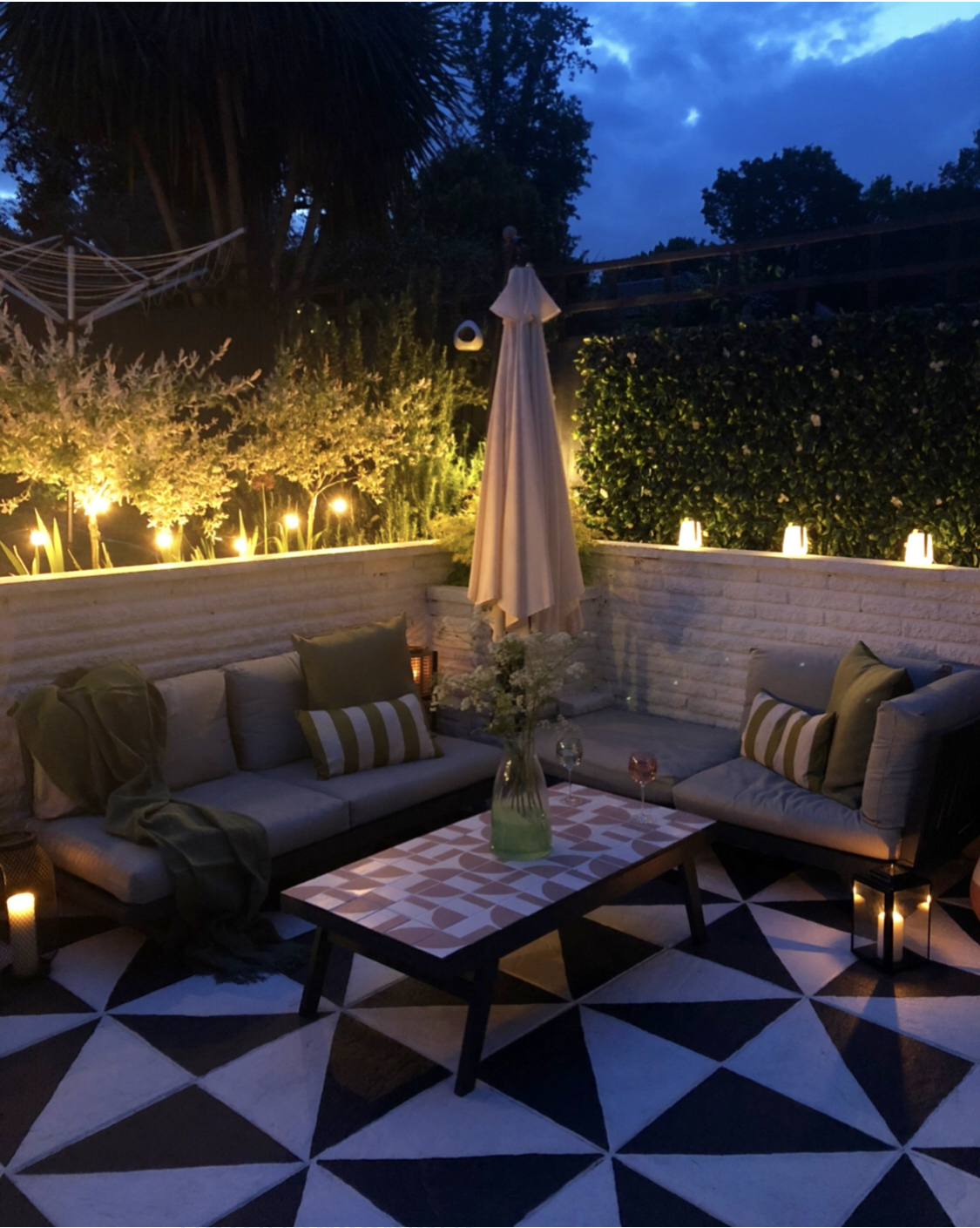
A garden can be so much more than a patch of lawn or a place to grow flowers. With thoughtful planning, it can become an extension of your home, offering somewhere to relax with a book, enjoy a morning coffee, entertain friends or simply take a break from everyday routines. The secret is creating an outdoor space that looks inviting while remaining useful beyond the warmer summer months.
From comfortable seating and layered planting to sheltered areas and dedicated garden rooms, there are plenty of ways to make your garden work harder for your lifestyle. You do not necessarily need a huge outdoor space or a complete redesign, either. A few well-chosen features can transform how you use the garden throughout the year.
Start With How You Want to Use the Space
Before choosing furniture or planning new features, think about what you would most enjoy doing in your garden. Perhaps you want a peaceful retreat away from the busy parts of the house, a welcoming area for weekend gatherings or somewhere to work when you need a change of scenery.
Your priorities will influence the layout. A garden designed for entertaining may benefit from a generous patio and outdoor dining furniture, while a quiet reading corner might need little more than a comfortable chair, attractive planting and some shelter from the wind.
Consider how the garden connects with the rooms inside your home, too. An outdoor seating area close to the kitchen can make summer meals easier, while a garden room positioned away from the main house may offer a greater sense of privacy.
It is worth observing the garden at different times of day before making decisions. Notice where sunlight falls, which corners feel exposed and whether neighbouring properties overlook the space. These details can help you create a layout that feels comfortable rather than simply attractive in photographs.
Create Comfortable Areas for Every Season
British weather can be unpredictable, so a garden that works throughout the year needs more than a few chairs on an exposed patio. Shelter, suitable surfaces and thoughtful furniture choices can make outdoor spaces more enjoyable when temperatures drop or light rain arrives.
A pergola, covered seating area or retractable canopy can provide some protection from the elements, depending on its design. Outdoor cushions and throws can add comfort during cooler evenings, while weather-resistant furniture reduces the need to move everything indoors whenever the forecast changes.
Lighting is another detail that can make a significant difference. Wall lights, carefully positioned garden lights and lanterns can create a warm atmosphere on darker evenings. Rather than illuminating every corner, focus on seating areas, pathways and features you would like to highlight.
Planting can also help the garden feel welcoming throughout the seasons. Evergreen shrubs provide structure in winter, while ornamental grasses, seasonal flowers and containers introduce texture and colour at different times of year.
The aim is not to make every part of the garden usable in every weather condition. Instead, create a variety of spaces so there is always somewhere comfortable to spend time, whether you want fresh air outdoors or a sheltered place to unwind.
Consider a Garden Room for Extra Living Space
One way to make a garden more useful is to introduce a dedicated room that provides additional space without changing the main layout of your house. Garden rooms can serve different purposes, from a home office or creative studio to a gym, hobby room or peaceful place to read.
For homeowners exploring Elevate Garden Rooms, it is worth considering how a separate structure could complement the existing property and support everyday routines. The most effective design is one that responds to a genuine need rather than adding a building simply because there is room for it.
Think carefully about the position, too. A garden room near the house may be convenient if you plan to use it regularly, while a more secluded location can create a stronger sense of escape. The route between the house and the room should remain practical in wet weather, with suitable paths and lighting.
Before committing to a design, consider insulation, ventilation, electricity, connectivity and storage requirements. If you intend to use the space throughout the year, these practical details are particularly important. Check any relevant planning, building regulations and other requirements for your proposed structure before work begins.
Make the Garden Room Feel Connected to the Garden
A garden room should feel like part of the wider outdoor setting rather than an isolated building placed at the end of the lawn. Its appearance, position and surrounding landscaping can all influence how naturally it fits into the space.
Timber finishes, neutral colours and generous glazing can help a garden room sit comfortably within its surroundings, depending on the architecture of your home. Planting around the edges can soften the structure, while a clear path creates an inviting approach.
If you are researching different ways to incorporate a garden room into your outdoor space, Outer Room is another option to explore. Consider the style of the structure alongside your existing home, paying attention to proportions, materials and how the building will look from inside the house.
The interior deserves just as much thought. A desk positioned to take advantage of the view, comfortable seating and practical storage can make a compact room feel useful without becoming cluttered. For a relaxing retreat, softer lighting, natural textures and a restrained colour palette can help establish a calmer atmosphere.
Large windows can create a visual connection with the garden, but it is important to consider glare, privacy and temperature control as well. The right balance will depend on the room’s orientation and how you intend to use it.
Use Planting to Create Privacy and Atmosphere
Plants can make even a relatively simple garden feel more secluded. Rather than relying entirely on fencing, consider using a mixture of shrubs, ornamental grasses and climbing plants to soften boundaries and introduce a sense of enclosure.
Tall planting can provide screening in suitable locations, while smaller plants around seating areas can make them feel more intimate. If you have a garden room, surrounding it with carefully chosen greenery can help it blend into the landscape and make the journey towards it more enjoyable.
Choose varieties according to the available sunlight, soil conditions and the amount of maintenance you are happy to undertake. Evergreen plants can provide year-round structure, while seasonal flowers bring colour and change as the months pass.
Container planting is particularly useful where space is limited or where you want flexibility. Pots can be moved to refresh a seating area, frame an entrance or introduce colour close to the house. Grouping containers of different heights can create interest without overwhelming the space.
It is also worth leaving some open areas. A garden does not need to be filled with plants, furniture and decorative features to feel complete. A thoughtful balance between greenery and usable space often creates a more relaxing environment.
Choose Materials That Look Good and Last
The materials used for patios, paths and outdoor furniture affect both the appearance and practicality of a garden. Natural stone can create a timeless look, while contemporary paving and clean-lined furniture may suit a more modern property.
When choosing surfaces, consider how they will perform in wet weather and how much maintenance they require. Paths should be practical to walk along, and seating areas need a stable surface that works with the furniture you plan to use.
Think about drainage before adding extensive paving. Water should be able to move away appropriately, and the layout should not create puddles around doorways or frequently used routes. Good preparation can help prevent problems later.
A consistent selection of materials can make the garden feel more cohesive. For example, repeating a paving finish around a patio and the path to a garden room can visually connect the different areas. You can then introduce contrast through planting, textiles and smaller decorative details.
Add Small Details That Encourage You to Spend More Time Outside
Sometimes the features that make a garden feel special are relatively simple. A comfortable chair in a sunny corner, a small table for drinks or a sheltered spot for morning coffee can encourage you to use the space more often.
If you enjoy entertaining, consider how guests will move between the house, seating areas and dining space. Keep pathways clear and provide enough room around tables for people to sit comfortably. For quieter moments, a secluded bench or hammock can create a destination away from the busiest part of the garden.
Storage is useful, too. A discreet outdoor storage box or compact shed can keep cushions, gardening tools and accessories organised, making it easier to maintain a tidy appearance.
Finally, do not overlook the view from indoors. A well-positioned pot, an attractive tree or a thoughtfully lit garden room can make the garden enjoyable even when you are looking out through the windows on a cold or rainy day.
Build a Retreat That Suits Your Lifestyle
Creating a stylish garden retreat does not have to mean undertaking a major landscaping project. Start by identifying what is missing from your current outdoor space, whether that is somewhere comfortable to sit, better privacy or a dedicated room for work and hobbies.
Build around those priorities, choosing features that complement your home and suit the way you live. By combining practical surfaces, seasonal planting, comfortable seating and, where appropriate, a garden room, you can create an outdoor space that remains inviting throughout the year.
The best garden retreat is not necessarily the biggest or most elaborate. It is one that makes everyday life feel a little more enjoyable and gives you another reason to appreciate your home in every season.

