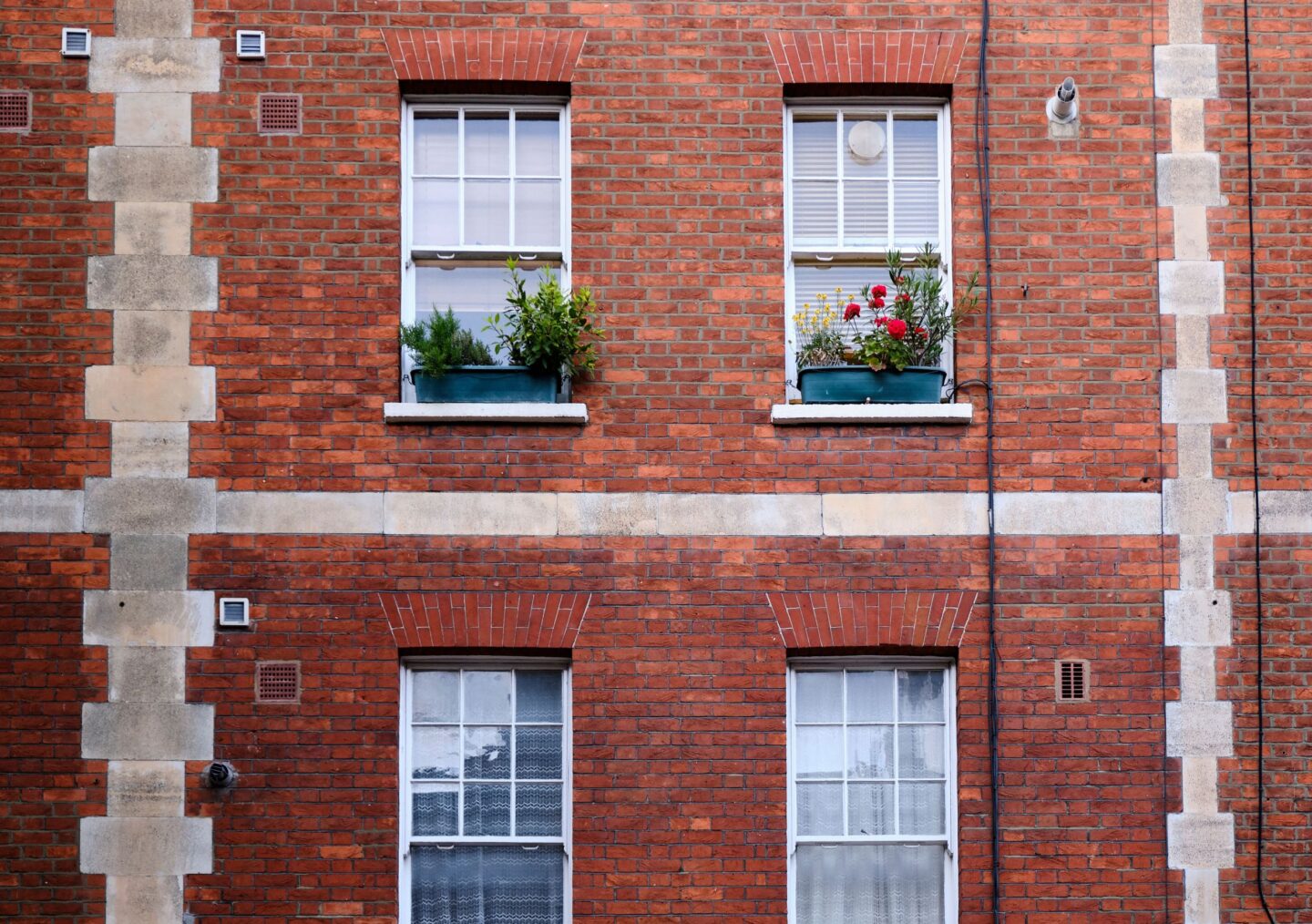
There is a particular sound that anyone living in an older house will recognise. The wind picks up, the temperature drops, and suddenly the sash windows start knocking away like someone is tapping on the glass. Add a cold draught that you can feel from across the room and it is easy to assume the windows are finished.
Most of the time they are not. Sash windows were built to be taken apart, adjusted and repaired, and many of the ones still rattling in Victorian, Edwardian and 1930s homes today have a century of life left in them. The trick is understanding why they rattle in the first place, because the fix depends entirely on the cause.
Why Sash Windows Rattle In The First Place
A sash window is essentially two timber frames sliding up and down in a box, held in place by thin strips of wood called beads and balanced by weights hidden inside the frame. Every one of those parts can loosen over time, and winter is when you notice it most.
The most common culprit is the gap between the sashes and the beads. The staff bead on the inside and the parting bead between the two sashes wear down with decades of sliding, painting and scraping. Once there are a few millimetres of play, the sashes move every time the wind pushes on them.
The second is the meeting rails, where the top and bottom sashes overlap in the middle. If the catch no longer pulls them tightly together, they knock against each other and leave a gap that lets cold air straight through.
Then there is the glass itself. Old putty dries out, cracks and falls away, leaving panes that buzz or rattle in the frame. And finally, timber naturally shrinks and swells with the seasons. In a cold, damp winter the wood can move enough to open up gaps that were not there in August.
Quick Fixes That Get You Through The Winter
If you need something tonight, there are a few temporary measures that genuinely help. A small rubber or timber wedge pushed between the sash and the bead will stop most rattling instantly, although it does make the window harder to open. Removable draught strips, the kind that peel off in spring without taking paint with them, can close up gaps along the meeting rails.
Heavy lined curtains or thermal blinds will not stop the noise, but they make a noticeable difference to how warm the room feels. Just avoid sealing the windows shut with silicone or permanent foam. It traps moisture against the timber and makes a proper repair far more difficult later.
What Actually Fixes It
The long-term answer is usually a combination of repair and draught proofing rather than one single product. Professional draught proofing systems involve removing the sashes, fitting brush strips into grooves cut into the beads and parting beads, and sealing the top and bottom rails. Done properly, the windows still slide smoothly but stop rattling and cut draughts dramatically.
Worn beads are often simply replaced with new ones, which takes up the slack that causes the knocking. Loose or failing putty can be raked out and renewed, and a new sash fastener will pull the meeting rails back together. If the sashes feel heavy or drop when you open them, the cords have probably stretched or snapped, and re-cording brings the balance back.
If the beads are past saving, the cords have gone or the bottom rail is soft enough to push a thumbnail into, it is worth getting period sash window repair specialists to look at the whole frame rather than patching one problem at a time. A proper overhaul usually covers draught proofing, new beads, re-cording and any timber repairs in one visit, which works out cheaper than tackling them separately over several winters.
Why Replacement Is Rarely The Answer
When windows are draughty and noisy, ripping them out can feel like the obvious solution. But original sash windows are made from slow-grown timber that is far denser and more durable than most modern softwood, and they are a big part of what gives a period home its character. Replacing them with something that looks slightly wrong can take away from both the look of the house and its value.
There is also the practical side. If you live in a conservation area or a listed building, replacing original windows can mean applying for permission, and the answer is not always yes. Repair work, on the other hand, rarely needs any approval at all. For many homeowners, adding secondary glazing on the inside later on is a far easier route to a warmer room than swapping out the whole window.
Signs It Is Time To Call Someone In
A bit of rattling on a windy night is normal for an old house. But if you can see daylight around the edges of the sash, the window will not stay open on its own, the paint is flaking to reveal grey or soft timber, or condensation is pooling on the sill every morning, it is time for a closer look. Catching these problems early is almost always cheaper than leaving them for another few years.
The good news is that rattling sash windows are one of the most fixable problems in an older home. With the right repairs, the same windows that keep you awake this winter can be quiet, warm and working smoothly for decades to come.

