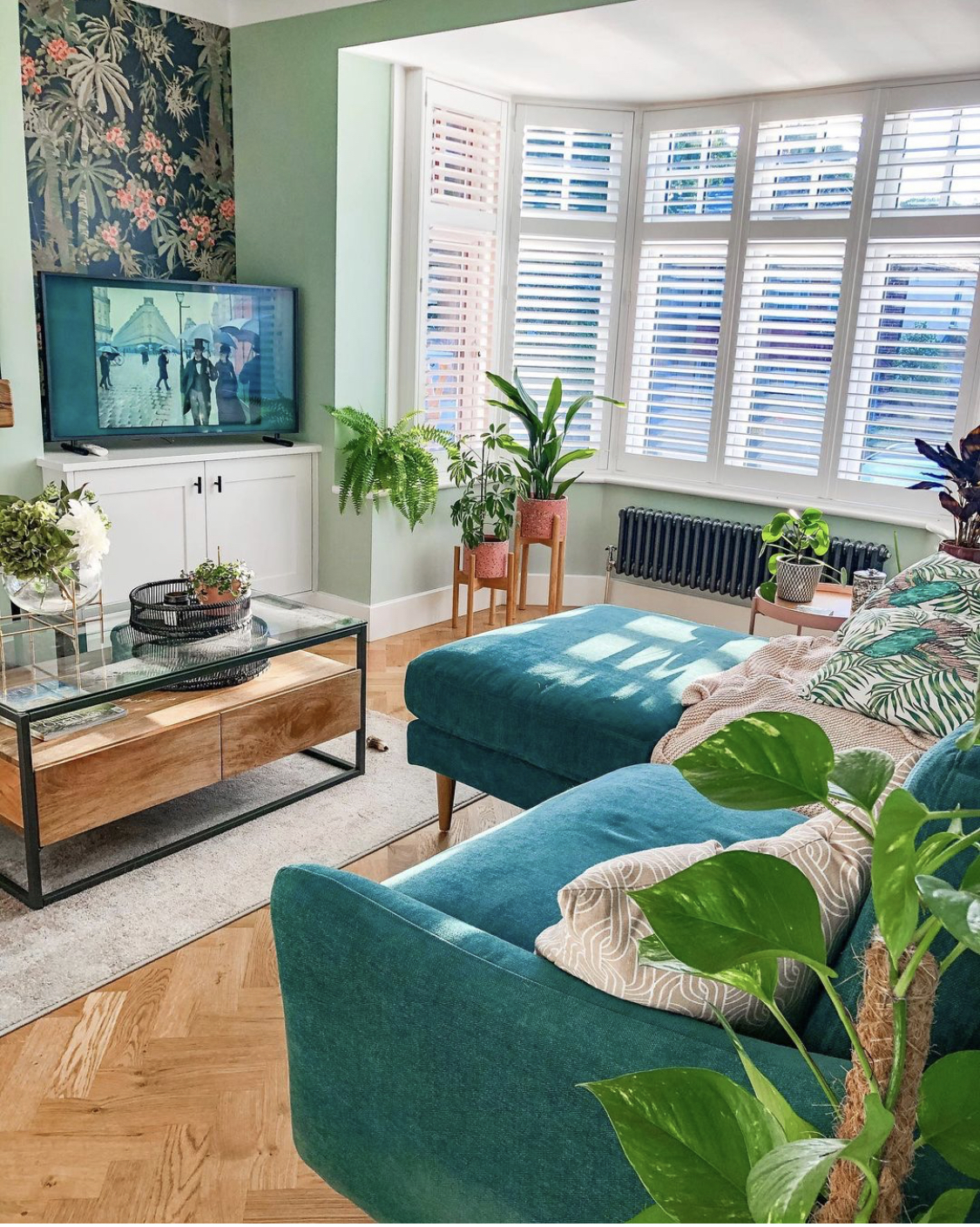
Home can feel strange after a difficult time. The rooms are the same, the furniture is still where it was, and life might look fairly normal from the outside. Inside, though, things can feel off. You might find it harder to relax, sleep well, or enjoy the little routines that used to bring comfort.
Feeling at home again often happens quietly. It does not need a huge renovation or a complete change of scenery. Small, steady choices often make the biggest difference: a calmer evening routine, a more restful bedroom, clearer boundaries, or a single peaceful corner that feels yours entirely.
Start With The Spaces You Use Most
When everything feels unsettled, the idea of sorting out the whole house can feel exhausting. Starting small is kinder and far more realistic. Focus on the spaces you use every day, such as your bedroom, kitchen, sofa corner, hallway, or the place where you sit with your first cup of tea.
Notice what makes those areas harder to enjoy. It might be clutter on the bedside table, harsh evening lighting, paperwork piling up near the front door, or a chair that has slowly turned into a dumping ground. These things do not need a full makeover. They just need a bit of attention.
Choose one small area and make it easier to live with. Clear a surface, wash the bedding, move a lamp, fold a blanket over the sofa, or create a quiet spot to sit without distractions. The aim is not to make everything perfect. It is to give yourself one part of the home that feels manageable, steady, and welcoming.
Bring Back A Sense Of Routine
A difficult time can make ordinary days feel oddly shapeless. Meals happen later than usual, sleep becomes lighter, and the small habits that once held the day together can slip away without much warning. Bringing back routine is not about strict schedules. It is about giving yourself a few reliable points in the day.
Start with what is already there. Open the curtains before making your first drink. Put your keys in the same place when you come in. Choose one evening habit that helps your mind slow down, such as reading, stretching, or putting your phone away before bed. Small changes like these can make a home feel more predictable again, especially when you’re building a bedtime routine that truly works for you after a period of stress.
Routine does not have to be perfect to help. The best habits are the ones that feel easy enough to repeat, even on days when your energy is low.
Let Comfort Be Practical
Comfort does not have to mean buying lots of new things or trying to make your home look like a showroom. Often, it comes from making daily life a little easier. Think about the details that affect how your body feels in the space, such as lighting, temperature, noise, scent, and where you naturally go to rest.
A bedside lamp can feel gentler than an overhead light. A blanket on the sofa can make evenings feel softer. Fresh air in the morning, a favourite mug, clean sheets, or a drawer that finally closes properly can all reduce the small irritations that leave a space feeling less restful.
The most useful changes are usually the ones you notice every day. If something helps you feel more at ease, less rushed, or more able to breathe, it counts. Feeling settled at home often grows from practical comfort, repeated often enough to feel familiar again.
Make Room For Emotional Safety
A calmer home is shaped by more than how a room looks. It is also shaped by how you feel while in it. After a difficult time, that might mean paying closer attention to noise, privacy, visitors, messages, or the pace of your day.
Small boundaries can help a space feel easier to inhabit. You might keep one evening each week free, turn off notifications at a certain time, or make a room feel more private with curtains, soft lighting, or a closed door. These choices are not selfish. They help create a space where your mind can settle.
Simple grounding habits can support that steadier feeling. When you’re feeling stressed or worried, bringing your attention back to your body, your breathing, and the present moment can make your space feel easier to return to. That might look like sitting by an open window, listening to music, stretching gently, or taking a screen break before bed.
Why Support Can Look Different Depending On Where Home Is
Feeling settled after a difficult time is often shaped by the support available in everyday life. Home may be where you rest, reset, and rebuild routine, but the people around you can make the process feel less lonely. The most helpful support usually feels steady, practical, and close enough to trust.
In the UK, that might begin with a GP appointment, a counselling service, a local charity, or a quiet conversation with someone reliable. A person in London may have a wider choice of services nearby, while someone in a smaller town or rural area may lean more on trusted local contacts and familiar community spaces. There does not need to be one perfect first step. Sometimes it is enough to have somewhere calm to begin.
In the U.S., support can vary more from place to place. Someone in New York may find help through busy city-based networks, while someone in Texas may be looking for something that feels more connected to their local community. A person in Illinois might rely on a different mix of services, trusted contacts, and practical next steps than someone in Ohio.
After a painful breach of trust, the need for steady support can feel especially personal when the experience is tied to a familiar community or institution. Rebuilding a sense of calm after trust was broken in Michigan may start with finding people who listen carefully, respect boundaries, and make the next step feel a little less overwhelming. From there, even small moments of clarity can turn the day into something gentler, with more room to pause and breathe.
Let Home Feel Like Yours Again
After a difficult time, a sense of settling can return slowly. It might come from a calmer bedroom, a steadier evening routine, fewer demands on your space, or simply noticing that one corner of your home feels easier to be in than before.
There is no need to force the feeling. Your space can change with you, especially when you give yourself permission to make it softer, quieter, or more practical for the life you are living now. What matters is creating a space that supports your days without asking too much from you.
Over time, those small choices begin to add up. A room feels lighter, a routine feels more natural, and home starts to become somewhere you can rest, reset, and feel like yourself again.

