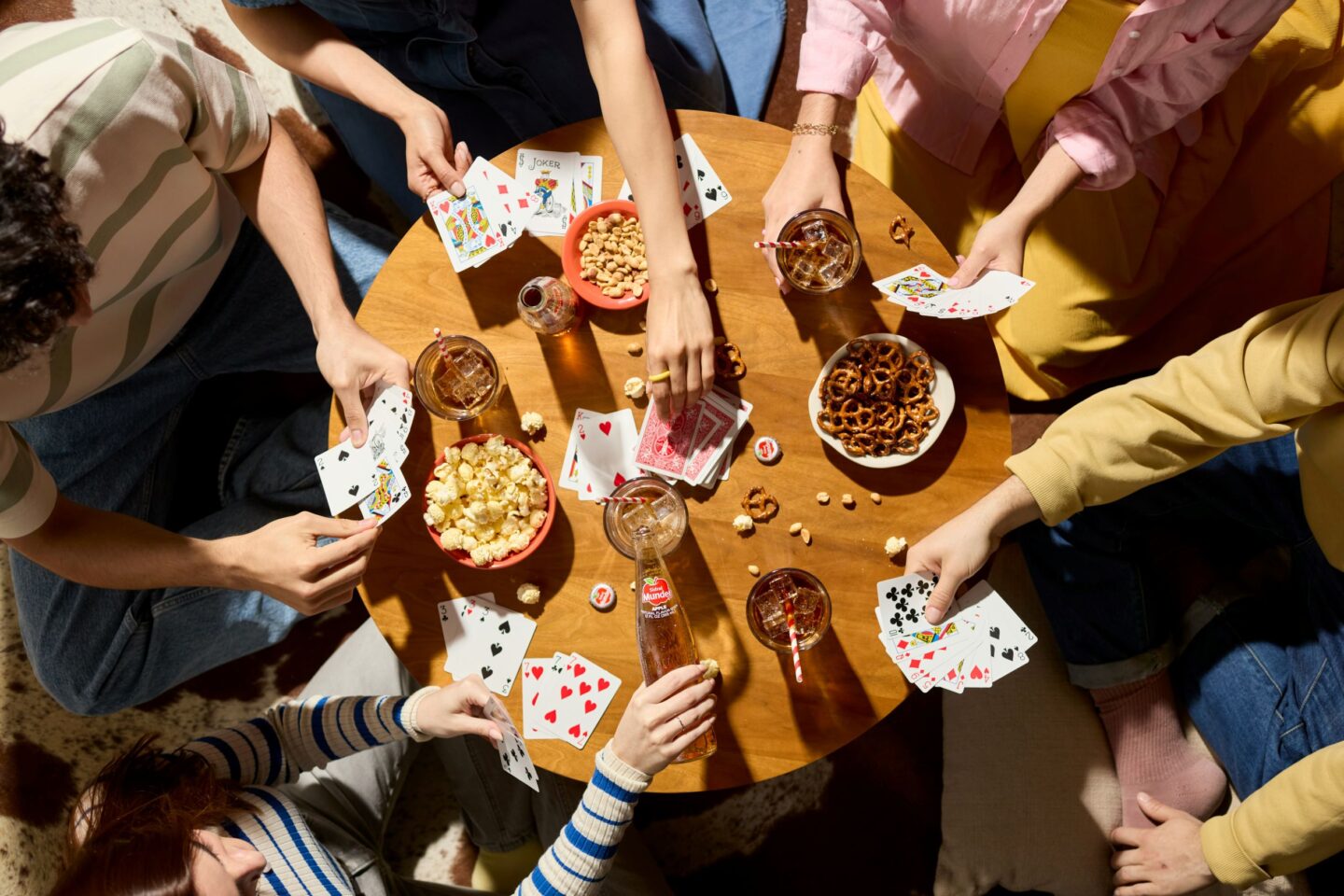
Catch-ups with old friends usually centre around nothing but conversation. While this can be enough to sustain social occasions, the most memorable get-togethers usually feature something more.
A games night gives everyone a chance to reconnect in new and emotionally exciting ways and removes the social awkwardness that can creep in even with the most well-formed friendships. Your mates won’t expect perfection, but careful preparation will help ensure the event runs without a hitch and has you all laid back and laughing from the start.
- Setting The Vibe
Start by making sure your home feels welcoming from the moment you cross the threshold. Lighting is most important in establishing the right atmosphere while ensuring excellent visibility for the games. Put together a layered lighting scheme with lamps and dimmable overhead bulbs in the living spaces and illuminate entryways and hallways with wall lights and warm lamps.
The right background music can instantly put people at ease, so create a largely instrumental playlist or stream a collection of familiar favourites from your past. Consider seating arrangements too. Dining chairs at a proper table work well for board games, especially if they last over an hour, because moving pieces is easier and people stay more focused. Sofas suit lighter party games where guests move around and chat between rounds.
- Selecting Social Games
Remember that this is an opportunity to catch up and reconnect, and therefore the games should be social even if they’re competitive rather than collaborative. Don’t dismiss tried-and-tested favourites that require no equipment, like word and bluffing games and team challenges such as charades. These light-hearted games instantly encourage conversation and humour rather than tense silence.
You can also use your smartphones to find straightforward classic games to play. Join a round of 80 ball bingo or challenge each other to games such as chess or cards. You could even gather round a console and compete in a racing game.
A balanced mix of games helps the evening flow. Just make sure any digital games you try have relatively short rounds, so no one is left waiting around if there aren’t enough controllers to go around.
- Designating Game Teachers
Every friendship group has one person who loves detail and will find it enjoyable to read and disseminate the rules. Let that person take charge of explaining each game before you begin, using clear language and examples where possible. A clear explanation keeps momentum going and stops any arguments as you play.
It’s worth having a practice round for new games, instead of simply listing the rules. People understand faster when they can see how a turn works in real time. If someone joins late, avoid restarting the whole explanation from scratch. Pair them with another player for the first round so they can pick things up naturally through play.
- Preparing Refreshments
Food can either support the evening or interrupt it completely. Heavy meals often leave guests sluggish halfway through the night, especially on weeknights. Smaller dishes that people can graze on throughout the evening keep energy steady and minimise disruption.
Finger foods work particularly well because guests can eat without the fuss of balancing knives and forks beside the board. Crisps, olives, flatbreads, brownies and small sandwiches disappear quickly without creating much mess. Drinks also need some thought. Mocktails may sound appealing, but complicated drinks pull you into the kitchen repeatedly when you should be part of the conversation. Keep it simple with cans of soft drinks, hot tea or coffee.
- Making it Personal
The most memorable games nights usually reflect the friendships in the room. Shared references and old stories give the evening warmth that no expensive setup can replace. You could name quiz rounds after university memories, include questions about holidays and workplace disasters or create teams based on old accommodation shares.
Photos can add an unexpected layer of nostalgia, too. A few printed pictures scattered around the room will spark conversation before the games even begin. If somebody in your group always brings chaotic energy, lean into it rather than trying to control every moment. The occasional disputed rule or ridiculous answer often becomes the part people remember most the next morning.

