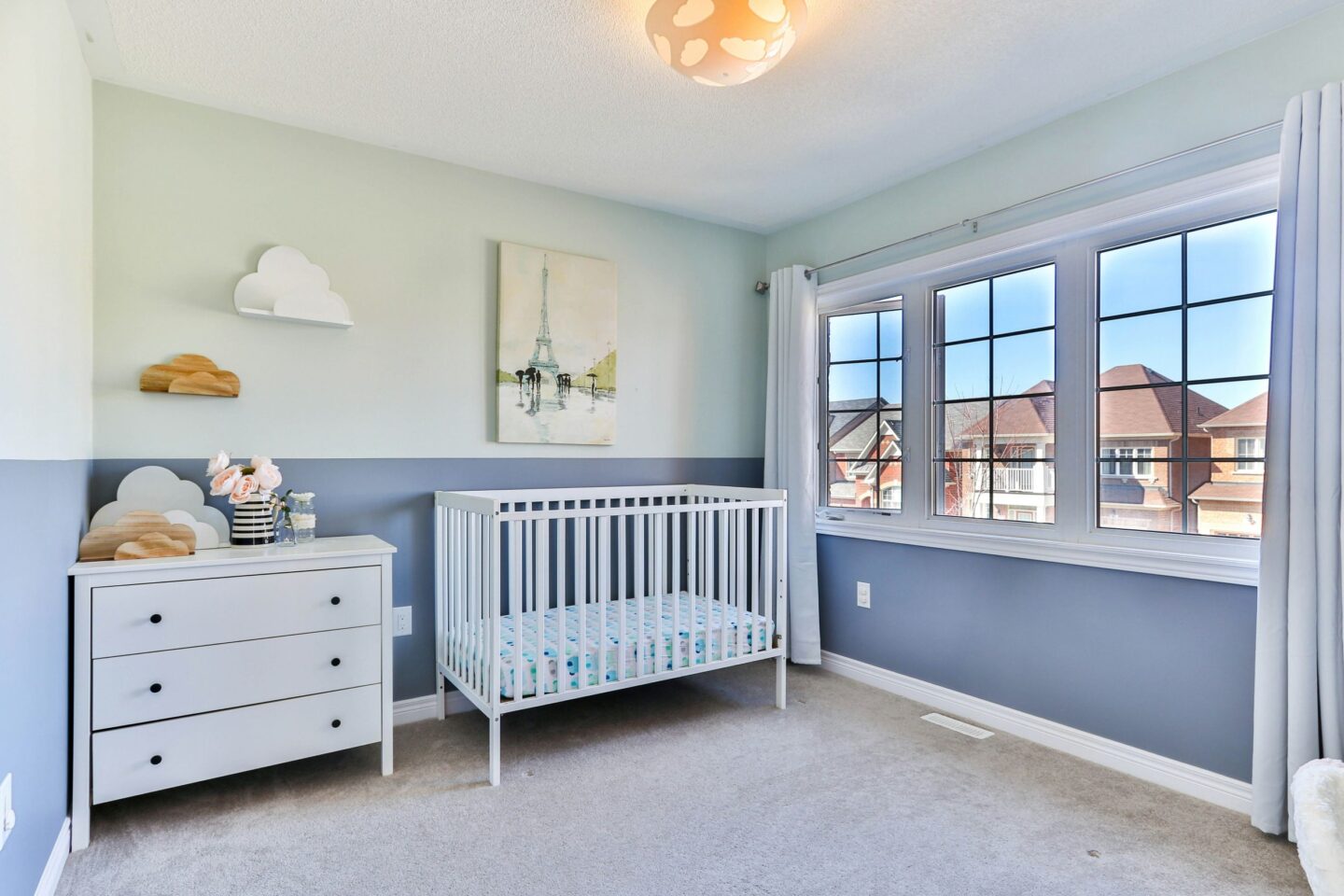
When you’re expecting a newborn, you want your home to be warm, welcoming, and – above all – safe. In some cases, this might require some renovation or redecoration. But is it always safe to redecorate as you normally would with a newborn? Are all paints safe for a baby’s delicate respiratory system? What about fixtures and fittings – how can they be chosen and attached so that they remain safe even when the baby starts grabbing at things, and crawling, and toddling? What should you know before decorating a nursery or a home if you’re expecting a newborn? Let’s take a look:
Safety versus Style
First, don’t worry. You really don’t have to sacrifice style in the name of safety. There are plenty of baby-safe paints, pastes, and cool wall decor that are perfectly safe for babies and children. However, you might need to think a bit harder about your decor choices than you would under normal circumstances. For example, it’s a good idea to look for zero-VOC paint that emits fewer airborne chemicals and is thus easier on your baby’s airway. Similarly, look for things like blinds and curtains that don’t come with dangling pulls or cords that a toddler could chew on or use to haul the whole contraption down on top of them.
As a general rule, it’s not hard to find nice colours, decor, furniture, and so on that are safe for a newborn – but you do have to do a couple more checks than you might if you were decorating with older kids in the house. Here’s a short list:
- Chemicals. We’ve mentioned zero-VOC paint, which has a lot fewer volatile airborne chemicals than traditional paint. Similarly, look for wallpaper paste and so on that has lower volatile chemical loads. Often, these will be marked as ‘organic’ or ‘baby-safe’.
- Choking hazards. Be wary of any small items or facets that could be broken off and ingested.
- Insecure fastenings. It’s important that anything heavy is firmly secured to the wall or floor so that it can’t be pulled over onto small, curious babies.
- Glass and sharp things. Glass should be kept well away from babies and toddlers in case it accidentally breaks and cuts them. Similarly, anything sharp should be kept well out of reach of grabby little hands.
Nursery Furniture
When selecting nursery furnishings, focus primarily on two things: sturdiness and sharp edges. Firstly, the furniture should be robust and not easily tipped over. If possible, secure heavier furniture pieces to the wall to prevent toppling.
Secondly, aim for furniture with rounded edges to avoid accidental bumps and bruises. Also, make sure there are no small, accessible objects that a baby could possibly choke on.
Toy Storage
You’ll end up with way, way more toys than you expect as your newborn grows, so look for clever storage options that make the best of the space you have and that prevent the toys from becoming a tripping hazard. Consider using soft, fabric bins with no rough edges. They should also be light enough so that if they were to fall over, they would not cause harm. Also, avoid storage boxes with lids, as they can unexpectedly snap shut, causing injury.
Cots and Beds
When choosing a cot for your newborn, safety standards are crucial. Look for a cot that meets British or European safety standards (this will be clearly labelled) to ensure it provides a safe sleeping environment. Further, avoid placing a cot near windows or drapery cords to reduce the risk of entanglement. Also, remove any decorative items, such as pillows and stuffed toys, from the cot when the baby is sleeping to reduce the risk of suffocation.
Lighting and Electrics
While decorating, remember to take care of electrical safety. Keep lights and electrics at a safe distance from cots and changing tables. Cordless or battery-operated lamps are a great alternative to traditional electric lamps.
Further, secure electrical cords and outlets well out of the reach of your little one. Making use of plug socket covers and tidying away loose wires can reduce risks associated with electricity.
Conclusion
You don’t have to compromise on style to safely decorate with a new baby. But you do need to strike a minor balance between aesthetic appeal and child-safety improvements. Look for non-toxic materials, think about tipping and choking hazards, and make sure that every new piece of decor or furniture you purchase is up to relevant safety standards. If you do all of this, you should have no issues creating your dream home even with a newborn to contend with.

