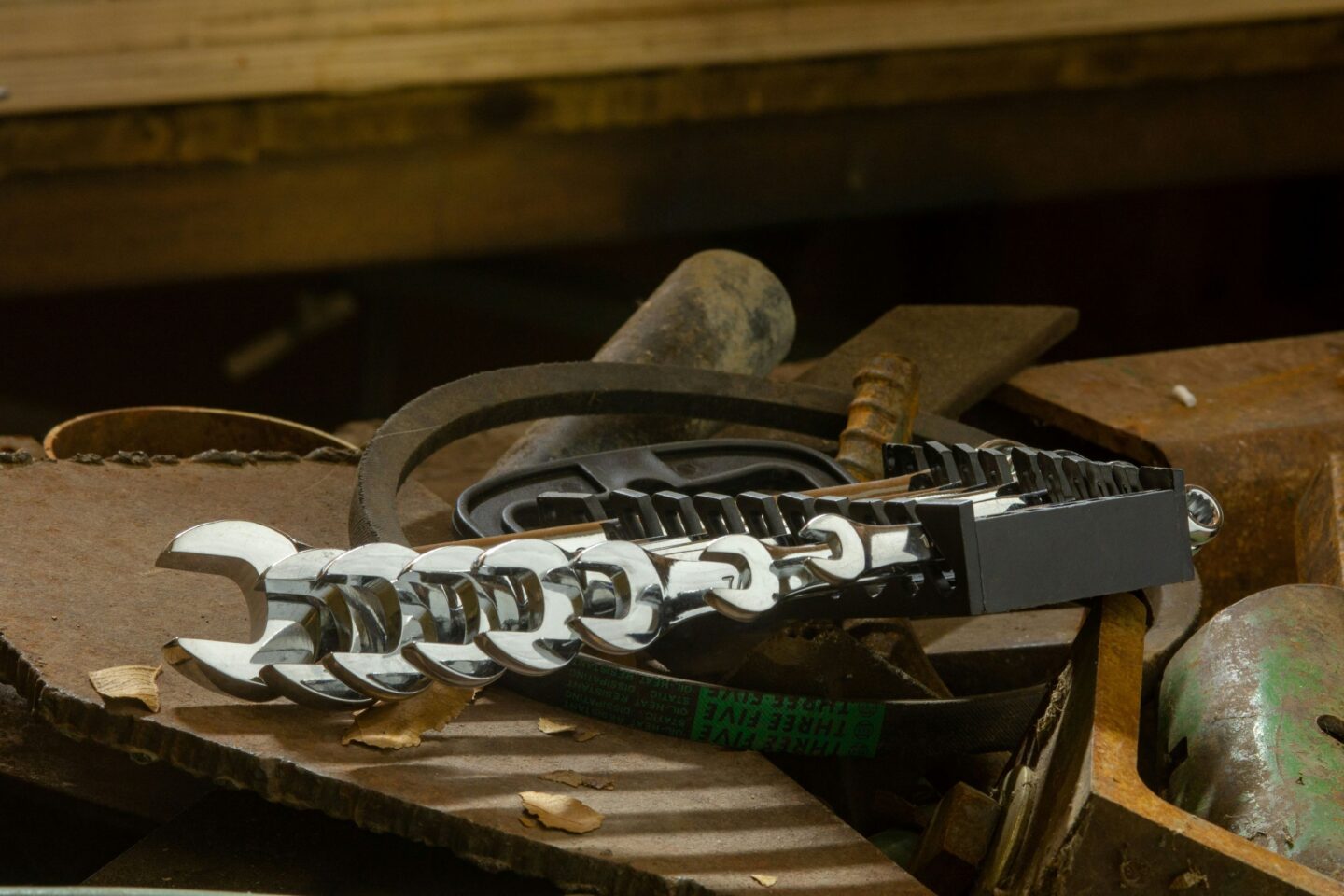
Many people see socket wrenches, impact wrenches, and torque wrenches as similar tools, yet each serves a distinct purpose. A socket wrench focuses on speed and convenience, while an impact wrench adds power for tougher jobs. A torque wrench, however, gives precise control over how tight a fastener becomes. Socket wrenches handle quick tasks, impact wrenches deliver force, and torque wrenches provide accuracy.
Understanding these differences helps anyone choose the right tool for the job. A mechanic tightening lug nuts, for example, may use all three tools at different stages of the same task. Each wrench type balances power, precision, and control in its own way.
This article explores how these tools compare in design, purpose, and performance. It also explains which wrench works best for specific applications so that every project achieves the right balance between speed, strength, and precision.
Fundamental Differences Between Socket, Impact, and Torque Wrenches
Each of these tools serves a distinct role in fastening or loosening bolts and nuts. Their main differences lie in how they apply torque, their power sources, and the level of control they provide for specific tasks.
Primary Functions and Mechanisms
A socket wrench uses a ratcheting handle with interchangeable sockets to fit different fasteners. It allows quick tightening or loosening without removing the tool from the bolt after each turn. A quality socket wrenches set often includes multiple socket sizes and accessories for automotive or home repair use.
An impact wrench uses short bursts of high torque to move stubborn or rusted bolts. It relies on a hammering mechanism that delivers rotational force in quick pulses. This design makes it ideal for heavy-duty work where speed and power matter more than precision.
A torque wrench looks similar to a socket wrench but measures the exact amount of torque applied. Mechanics use it to tighten fasteners to a specific value, which helps prevent over-tightening or damage to parts.
Precision and Torque Control
Torque wrenches allow users to set a precise torque value, often shown in foot-pounds or Newton-meters. This precision makes them important for work on engines, machinery, or bicycles, where exact tension matters.
Socket wrenches offer moderate control but depend on the user’s strength and feel. They work best for general assembly or light mechanical jobs where accuracy is less important.
Impact wrenches produce high torque but sacrifice precision. Their hammering action can easily exceed recommended torque levels, so users often follow up with a torque wrench to verify proper tightness. Each tool’s control level fits a different stage of fastening work.
Power Sources and Application Methods
Socket wrenches operate manually and need no external power. They are simple, portable, and easy to maintain. A full set provides flexibility for different bolt sizes and spaces.
Impact wrenches draw power from air compressors, electricity, or batteries. Pneumatic types are common in workshops, while cordless versions suit mobile or outdoor use. Their power helps remove bolts quickly, even under heavy load.
Torque wrenches are manual or electronic. Manual types use internal springs or click mechanisms, while digital models display torque readings on a screen. Each type suits jobs where accuracy outweighs speed or convenience.
Choosing the Right Wrench for Specific Applications
Selecting the correct wrench depends on the fastener type, required torque, and the material under stress. The right match improves accuracy, prevents damage, and supports consistent performance across mechanical, automotive, and industrial work.
Fastener Types and Torque Specifications
Each fastener, like a bolt, nut, or stud, requires a specific torque value to achieve proper clamping force. Torque wrenches measure this force in foot-pounds or Newton-meters, giving users control over how tightly a fastener seats. Manufacturers provide torque specifications that must be followed to prevent thread damage or loosening in service.
Different materials also affect torque needs. For example, steel bolts on heavy equipment tolerate higher torque than small fasteners in electronics. Mechanics often refer to torque charts that list recommended values based on fastener size and grade.
Inconsistent torque application can lead to uneven stress and part failure. Therefore, a torque wrench is best for precision work, while a socket wrench handles general assembly where exact torque measurement is less important.
Risks of Over-Tightening and Under-Tightening
Incorrect torque application can cause serious issues. Over-tightening stretches threads or cracks components, especially in aluminum or cast parts. Under-tightening allows movement between surfaces, which can loosen bolts and cause leaks or vibration.
For example, a loose lug nut on a vehicle wheel can lead to wheel separation, while an over-tightened one can strip the stud. Both situations create safety hazards.
Torque wrenches reduce these risks by applying only the specified torque. Regular torque wrench calibration keeps readings accurate. In contrast, impact wrenches produce high torque output quickly but lack control, so they should not replace torque wrenches for precision tightening.
Socket and Impact Socket Selection
Sockets differ based on the tool and the job. Regular sockets suit hand tools like ratchets and torque wrenches. They have thinner walls and a polished finish for easy handling. Impact sockets, made from stronger steel with thicker walls, handle the shock from a pneumatic impact wrench or electric driver.
Using a regular socket on an impact wrench can cause cracks or shattering. Impact sockets absorb vibration and resist deformation under high torque. Mechanics often keep both types in their toolkits, regular sockets for controlled torque applications and impact sockets for high-torque removal or assembly tasks.
Matching the correct socket size to the fastener head prevents rounding and tool slippage. Proper fit also improves torque transfer and reduces wear on both the socket and fastener.
Industrial and Automotive Use Cases
Different industries demand different wrench types. In automotive repair, torque wrenches tighten lug nuts, engine bolts, and suspension components to precise torque values. Impact wrenches speed up repetitive tasks like wheel removal, but final tightening still requires a torque wrench for accuracy.
In industrial applications, pneumatic impact wrenches handle large bolts on machinery or structural assemblies where high torque output is necessary. Workers then verify torque with calibrated torque wrenches to meet safety and performance standards.
For smaller mechanical work, such as electronics or light equipment, socket wrenches provide control without excessive force. Selecting the right combination of wrench and socket type supports consistent fastener performance and reduces the risk of mechanical failure.
Conclusion
Socket wrenches, impact wrenches, and torque wrenches each serve specific purposes that suit different tasks. A socket wrench offers manual control and works well for general tightening and loosening jobs. It provides flexibility but requires more physical effort.
An impact wrench uses power to deliver quick bursts of torque. This tool saves time on large or tight fasteners but lacks precise control. Therefore, it fits heavy-duty or repetitive work better than fine mechanical adjustments.
A torque wrench focuses on accuracy. It allows the user to apply a specific torque level to prevent under- or over-tightening. Mechanics and technicians depend on it for tasks that demand consistent results.
Each tool meets a distinct need. Choosing the right one depends on whether the goal is speed, control, or precision.

