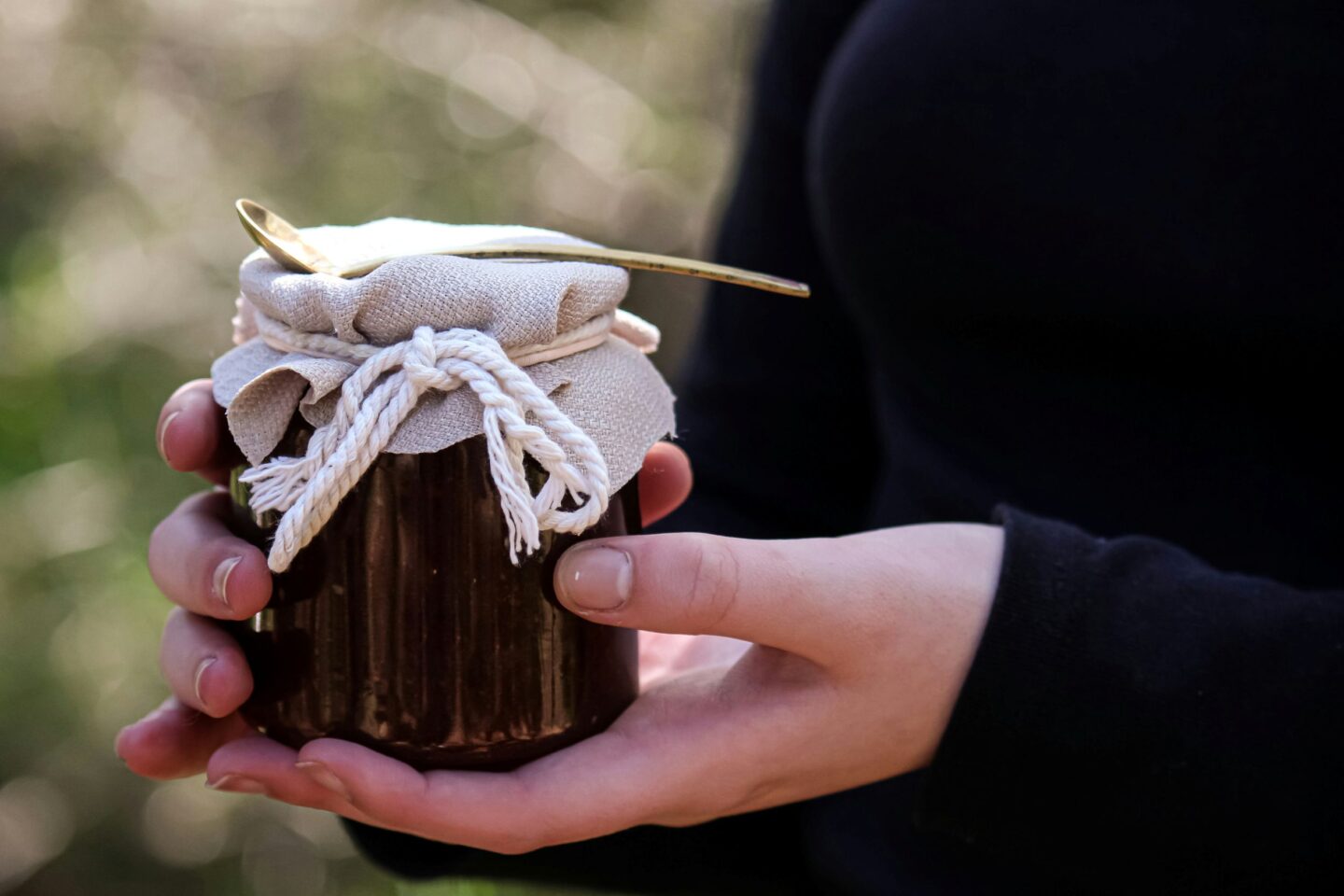
It’s increasingly common to see bunches of herbs hanging from beams, bowls of citrus on countertops, or jars filled with grains arranged on open shelves. People often use food items as decoration because they bring colour and texture into a kitchen or dining area. At the same time, food decor is moving in the other direction, with non-edible elements increasingly incorporated as decoration on plates, cakes, and even sprinkled on coffee. Before you treat these displays as harmless décor, you should think about how they affect hygiene, storage, and food safety in your home.
Decorative ingredients in the home
You might hang dried herbs above a cooking area, place garlic braids on a wall hook, or arrange fresh fruit in a large bowl on the counter. These displays can look appealing, but they also change how long those foods remain usable. When you keep ingredients out in the open for long periods, air, heat, and light gradually reduce their quality. This can ultimately have a big impact on your overall health – especially if your decorative ingredients start flaking into your food. On that note, you should be as diligent about checking any updates on recalls for home decor ingredients as you are for cooking ingredients. Contaminated foods can make you unhealthy through particle inhalation and cross-contamination, even if you don’t eat them directly.
If you plan to use food as decoration, you should also think about how you will store it safely. Herbs dry best in well-ventilated spaces away from direct heat, while fresh produce stays usable longer when you rotate it regularly rather than leaving it untouched for display.
Decorative ingredients in cooking
You may also see decorative ingredients used directly in food preparation. Flowers, coloured sugars, and decorative powders or even metals and fabrics sometimes appear on desserts or drinks. Before you add those ingredients to a dish, you should confirm that the product is either labelled as edible or, if it’s designed to be removed or eaten around, that it is ‘food safe’ and unlikely to either cause a choking hazard or to contaminate the food.
Some decorative products sold in craft stores resemble edible ingredients but contain substances that should not appear in food. Reading the label carefully helps you avoid adding decorative materials that were not designed for consumption.
Storage and hygiene considerations
Decorative displays can have a fairly major impact on your kitchen hygiene if you don’t pay close attention. When herbs, grains, or other ingredients remain exposed for long periods, dust and insects may reach them more easily than food stored in sealed containers. Hanging herbs above cooking areas may also expose them to grease or steam.
You can reduce these risks by rotating decorative ingredients frequently and storing surplus food in sealed containers. That approach allows you to maintain the look of your kitchen without keeping the same items in place for too long.
Finding a balanced approach
Using ingredients as décor can add character to a kitchen or dining space, and many cooks enjoy displaying herbs, spices, or fresh produce in visible ways. When you treat those items as both decorations and food, you should monitor how long they remain exposed and check safety notices that apply to the products you use.
With careful storage, regular rotation, and attention to recall notices, you can keep decorative ingredients attractive without overlooking basic food safety.

