The British weather doesn’t sit still for long. So far in 2026, households have faced an exceptionally wet January with 117% of its average rainfall and multiple serious heatwaves through June and July. These sharp changes in moisture and temperature make it harder to keep homes comfortable.
Thankfully, the small adjustments outlined below can help everyone sleep better, stay healthy and enjoy their space, whatever the season brings.
Maintaining a consistent temperature throughout the year
Year-round comfort depends on how your property retains and manages heat between rooms and at different times of day. You can be proactive by looking at the areas that feel noticeably different from the rest of the house.
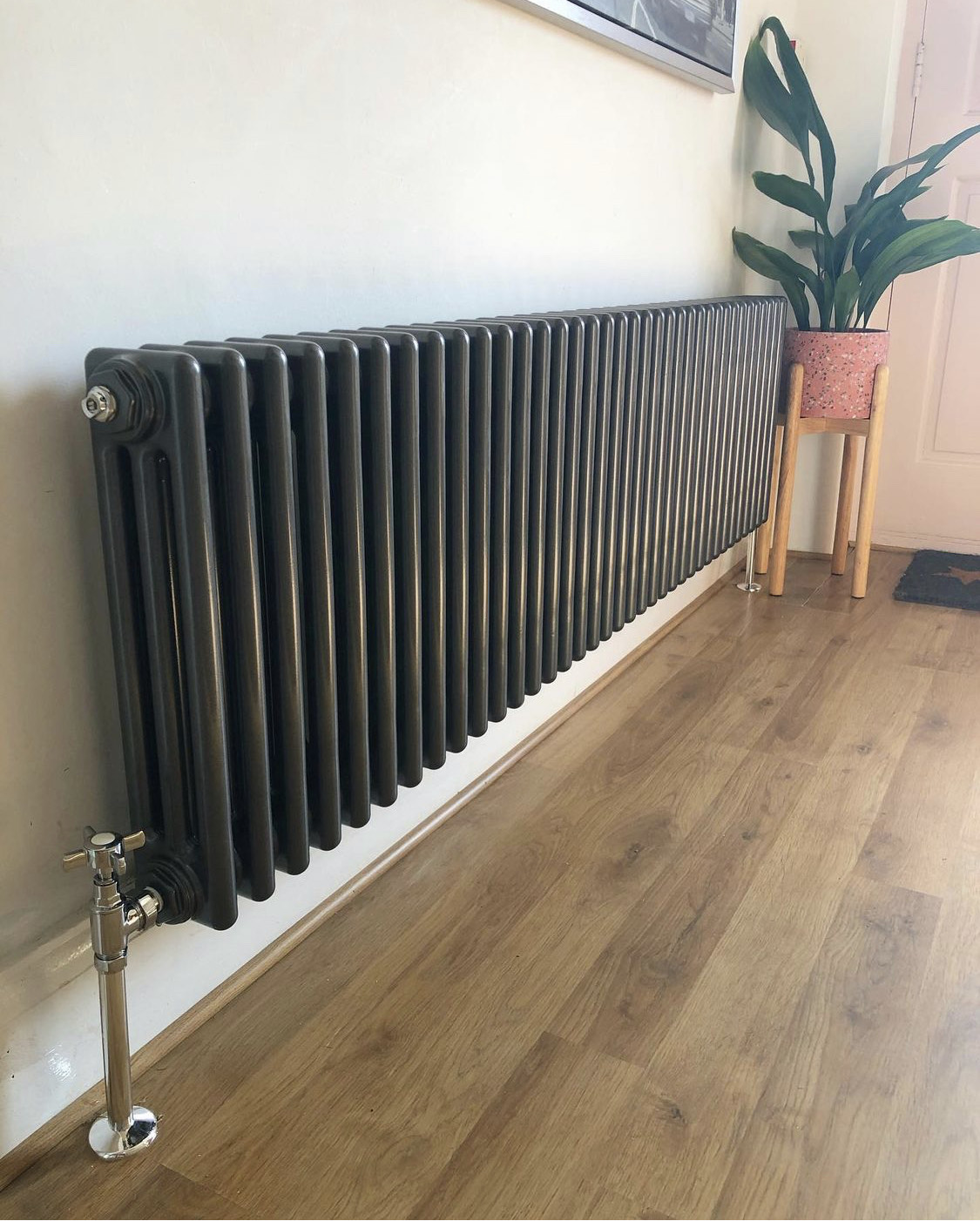
If bedrooms stay cold while downstairs rooms heat up quickly, your heating system may need balancing. A heating engineer can adjust radiator flow rates so each room receives the right amount of hot water. Good insulation in loft spaces and wall cavities also slows heat loss.
During warmer months, homes can overheat quickly. South-facing spaces benefit from blinds or curtains that reduce solar gain during the hottest part of the day.
Why air quality matters
The air you breathe also has a big impact on how your home performs. Poor indoor air quality can leave rooms feeling stale and may contribute to irritation caused by dust, allergens or excess humidity.
Many families unknowingly trap pollutants indoors by keeping windows closed for long periods. While opening windows provides freshness, this isn’t always an option during cold snaps or when outdoor noise is disruptive.
Proper ventilation offers a more consistent solution. Mechanical ventilation with heat recovery (MVHR) systems extract stale air while supplying filtered fresh air and recovering much of the heat that would otherwise leave the building.
Regularly changing extractor fan filters and cleaning areas where dust collects can also improve things.
Managing moisture and preventing condensation
Moisture forms naturally through everyday activities such as cooking, showering, drying clothes and even breathing. Problems start when it has nowhere to go.
Condensation usually appears first on windows, but it can also develop on colder walls and hidden surfaces. Over time, damp conditions encourage mould growth, damaging decorations and creating an unhealthy living environment.
Pay attention to areas that generate the most moisture. Bathrooms and kitchens should have effective extractor fans to remove humid air.
In colder months, maintaining a consistent temperature reduces the likelihood of surfaces becoming cold enough for water vapour to condense. If condensation appears regularly, a hygrometer is an inexpensive way to monitor humidity and spot patterns.
Adapting your home throughout the year
It should go without saying that what works during January may not suit July, and seasonal maintenance helps you stay ahead of potential issues.
Before winter arrives, check your boiler, bleed radiators and inspect draught-proofing around windows and doors. As temperatures rise, review ventilation, shading and airflow to prevent overheating.
Smart controls can help you fine-tune heating schedules as weather patterns change, rather than relying on fixed settings.
A comfortable family home is a healthier, more enjoyable living space that responds well to whatever the British weather has in store. How has your property fared during recent extremes?

