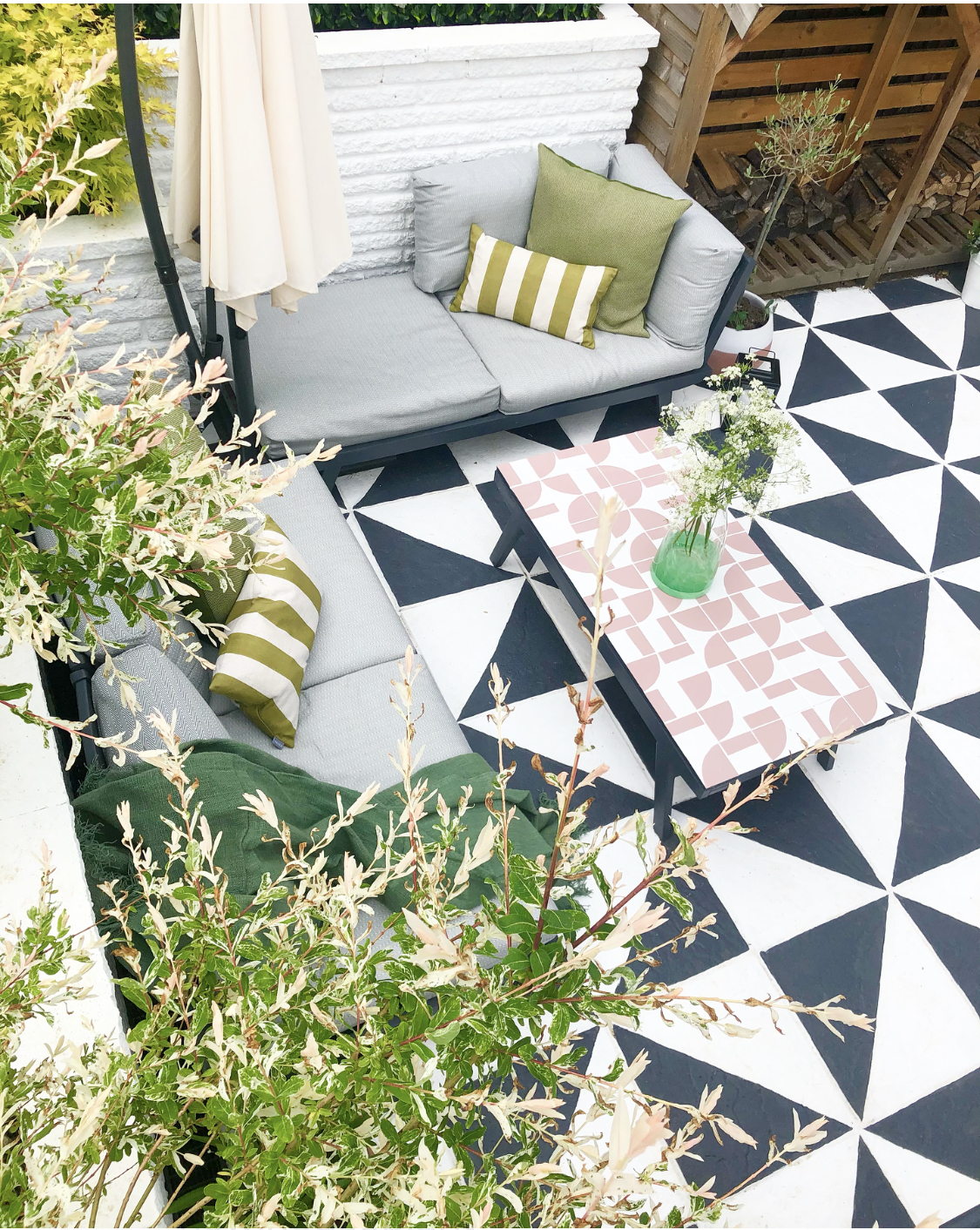
Most people spend more time looking at their garden through a window than actually sitting in it. Studies on residential outdoor space suggest the average homeowner uses their garden meaningfully on fewer than 40 days per year.
Forty days. Out of 365. For a space that often accounts for a significant portion of the property’s total footprint.
That’s not a time problem. It’s a design problem. And the fix is less complicated than most people assume.
Why Most Gardens Go Completely Unused
Here’s an honest observation: the gardens people don’t use almost always share the same characteristics. They’re designed to be looked at rather than lived in.
A neat lawn, some perimeter planting, maybe a patio that gets about four hours of afternoon sun if the weather cooperates. Visually pleasant. Practically, a bit useless.
The tricky part is that this kind of garden is also the easiest to end up with, because it requires the least deliberate thought. You inherit a layout, maintain it moderately well, and never quite question whether it’s actually serving you.
Years pass. The garden stays mostly decorative. And you keep meaning to spend more time out there when the weather gets better, which somehow never quite happens.
Useful gardens get used because they’re designed around specific human behaviours, not aesthetic principles borrowed from somewhere else.
Design Around How You Actually Live
This is where most garden advice goes wrong, in my experience. It tells you what looks good rather than asking what you actually do. So before any decisions about planting schemes or paving materials, it’s worth sitting with a few genuine questions.
Do you eat outside when you can? Do you work from home and need a quiet place away from the house? Do you want somewhere to read undisturbed, or does the garden need to work for children as well as adults?
Honest answers to those questions produce a completely different brief than “I’d like it to look nice.”
Take the idea of a summer house as a fixed feature in the garden. For someone who works from home, a well-built summer house isn’t a luxury addition.
It’s a functional workspace that happens to sit outside, separating work from domestic life in a way that a home office inside the main property often can’t.
That physical distance matters psychologically more than people expect. The act of walking to a separate structure and closing the door behind you signals a shift in mental mode that simply moving to a different room doesn’t replicate.
For others, the same structure becomes a hobby room, a creative space, a place to actually read without someone asking where something is.
The point is that the building serves a daily behaviour rather than sitting decoratively at the end of the garden waiting for a special occasion.
Making the Space Actually Comfortable
Comfort is underrated in garden design conversations, which tend to focus heavily on visual elements. But discomfort is almost always the real reason people retreat indoors and don’t come back out.
A seating area that gets blasted by wind after 4 pm. A patio surface that holds heat uncomfortably in summer. Poor lighting that makes the garden unusable after dusk.
These are solvable problems that don’t require significant budgets, but they do require someone to actually notice them.
Shade and shelter matter enormously. Not just for warmth in cooler months, but for making an outdoor space feel genuinely habitable rather than exposed. A pergola, a sail shade, even some strategic planting can transform how a space feels to spend time in.
And outdoor lighting, consistently underinvested in, extends the usable hours of a garden dramatically. A well-lit outdoor seating area on an October evening is genuinely pleasant. The same space in the dark is not somewhere anyone chooses to sit voluntarily.
The Structure That Changes Everything
For gardens that need to work across multiple functions and different seasons, a permanent structure is often the single upgrade that shifts everything.
A well-built 44mm log cabin offers a level of insulation and durability that thinner timber constructions simply don’t match, meaning the space inside stays usable well into autumn and becomes genuinely viable even on cold days with a small heater running.
That year-round usability is what changes a structure from an occasional novelty into something people actually build daily habits around. It stops being the building at the end of the garden and starts being part of how the household operates.
The thickness of the timber matters more than it sounds. Thinner walls respond dramatically to outdoor temperature changes.
A cabin built with proper 44mm walls holds its internal temperature more steadily, which translates directly into more hours spent comfortably inside it across the year.
When the Garden Becomes a Room
The conversation around garden rooms has shifted noticeably in recent years. What used to be positioned as a premium addition for large rural properties is now a practical consideration for suburban gardens of fairly ordinary dimensions.
Garden rooms at various price points have become accessible enough that the decision is less often “can we afford this” and more “what do we actually need it to do.” That’s a meaningful shift.
And the daily use question is exactly where garden rooms prove their value. A structure that serves one clear function for one household member, whether that’s work, exercise, creative practice, or simply reliable solitude, tends to get used consistently.
Consistently used spaces justify their investment. Consistently unused ones don’t, regardless of how well they photograph.
Build the Garden Around a Daily Reason to Go Outside
The gardens people use every day all share something in common. There’s a specific reason to be out there that goes beyond vague intentions about enjoying the fresh air. A morning coffee spot that actually gets morning sun.
A workspace with a decent chair and proper light. A corner designed specifically for how one person in the household wants to spend an hour undisturbed.
Start there. One genuine daily reason. Build outward from that, and the rest tends to follow naturally.

